
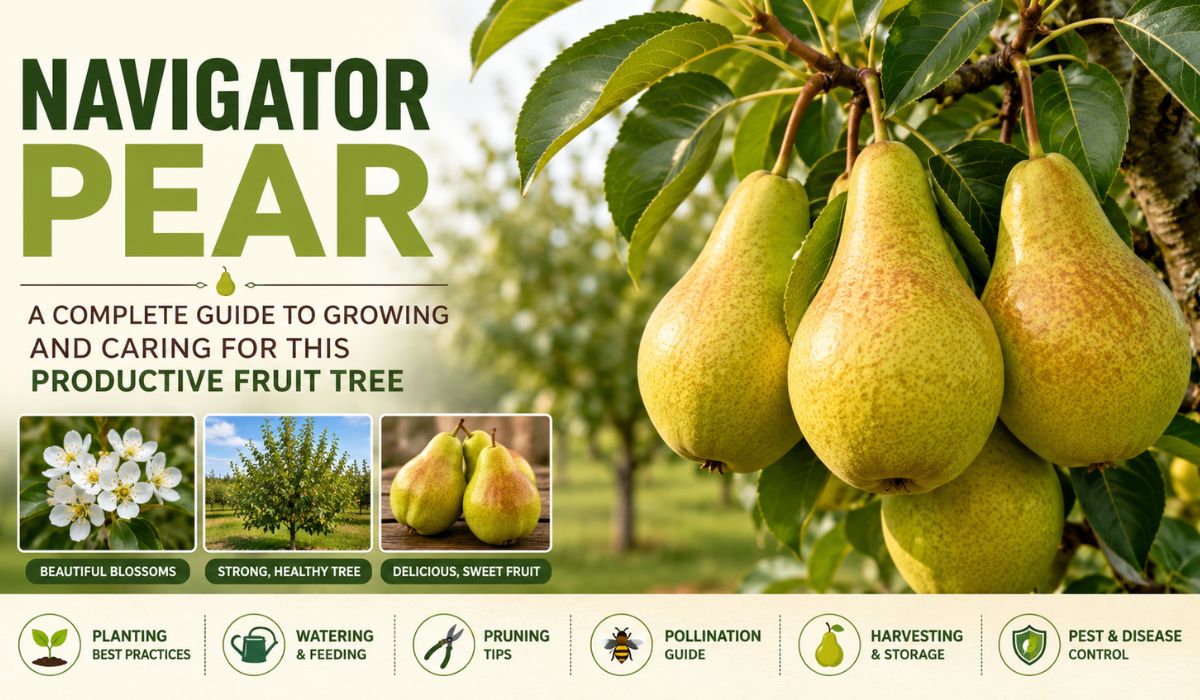
The Navigator Pear has become an increasingly popular choice among home gardeners who want a fruit tree that is both productive and easy to manage. Combining the classic flavor of European pears with improved adaptability and reliable harvests, this attractive tree fits beautifully into modern home landscapes. Whether you have a dedicated backyard orchard or simply want one fruit tree that offers years of rewards, the Navigator Pear is worth considering.
One of the biggest reasons gardeners appreciate the Navigator Pear is its balance between beauty and practicality. In spring, the tree is covered with delicate white blossoms that attract pollinators. During summer, its glossy green foliage provides visual appeal, and by late summer or early autumn, branches become filled with flavorful pears ready for harvest. This combination of ornamental value and fruit production makes the tree a favorite among homeowners.
Growing a successful Navigator Pear Tree does not require professional orchard experience. With proper planting, sunlight, watering, and occasional maintenance, gardeners can enjoy healthy trees and dependable crops for decades. This guide explores everything you need to know about growing, caring for, harvesting, and enjoying Navigator Pear fruit.
What Is A Navigator Pear?
The Navigator Pear is a European-style pear variety belonging to the species Pyrus Communis. It was developed to provide home gardeners with a productive fruit tree that offers excellent fruit quality while being easier to manage than many traditional pear varieties. Its moderate size, dependable fruiting habits, and improved resistance to common growing challenges make it particularly appealing for residential gardens.
Unlike some older pear varieties that require large spaces and ideal growing conditions, the Navigator Pear adapts well to a variety of temperate climates. This versatility allows gardeners in many regions to grow the tree successfully. While it still benefits from proper care and favorable conditions, it tends to be more forgiving than certain heirloom cultivars.
The fruit itself is known for its smooth texture, sweet flavor, and pleasant aroma. It combines characteristics that gardeners often seek in a pear variety, including reliable harvests, excellent eating quality, and versatility in the kitchen.
Why Gardeners Choose Navigator Pear Trees
Home gardeners are often looking for fruit trees that deliver consistent results without requiring excessive maintenance. The Navigator Pear meets those expectations remarkably well. One of its strongest advantages is its ability to produce quality fruit on a relatively manageable tree. Unlike larger orchard trees that may become difficult to prune or harvest, the Navigator Pear remains within a comfortable size range for most homeowners.
Another reason for its popularity is its attractive appearance. The tree contributes beauty throughout multiple seasons, making it more than simply a fruit producer. Spring blossoms create a stunning display, while autumn fruit and seasonal foliage color add additional visual interest.
Gardeners also appreciate its relatively good disease resistance compared to some traditional pear varieties. While no fruit tree is completely immune to problems, the Navigator Pear generally performs well when grown under suitable conditions and given proper care.
Navigator Pear Tree Characteristics
A mature Navigator Pear Tree typically reaches between 12 and 18 feet in height, with a spread of approximately 10 to 14 feet. Its natural growth habit is upright and somewhat pyramidal, creating an attractive structure that fits well into both formal and informal landscapes. This moderate size allows gardeners to manage pruning, harvesting, and maintenance without specialized equipment.
The leaves are glossy and deep green throughout the growing season. As autumn approaches, the foliage often develops attractive yellow and bronze tones before dropping for winter dormancy. These seasonal changes help the tree remain visually appealing beyond the fruiting season.
The blossoms are among the most attractive features of the Navigator Pear. Appearing in spring, clusters of white flowers cover the branches and attract bees and other pollinating insects. These blossoms not only support fruit production but also provide significant ornamental value.
Fruit Quality And Harvest Season
The fruit of the Navigator Pear is often considered its greatest strength. Pears are typically medium to large in size and display the classic pear shape familiar to most consumers. The skin transitions from green to yellow-green as the fruit approaches maturity, sometimes developing light russeting that adds character and visual appeal.
Inside, the flesh is creamy white, smooth, and exceptionally juicy when properly ripened. The flavor combines sweetness with subtle floral notes, creating a rich eating experience. Many gardeners compare its quality favorably to well-known varieties such as Bartlett while appreciating its slightly firmer texture.
Harvest generally occurs from late August through September, depending on local climate conditions. This timing places the Navigator Pear in the mid-season category, allowing gardeners to enjoy fresh fruit before colder weather arrives.
Best Growing Conditions For Navigator Pear Trees
Like most pear trees, the Navigator Pear performs best when grown in favorable environmental conditions. Full sun is one of the most important requirements. A location receiving at least six to eight hours of direct sunlight daily helps support healthy growth, flower development, and fruit production.
Climate also plays a significant role in success. Navigator Pear Trees grow best in USDA Hardiness Zones 5 through 8. These regions provide the winter chill necessary for proper dormancy and flowering. Pear trees require a certain number of chilling hours during winter to ensure healthy growth and fruit set during the following season.
Good air circulation is another important consideration. Planting in open locations helps reduce moisture buildup around foliage and decreases the likelihood of disease problems. Choosing a site with proper sunlight and airflow establishes the foundation for a productive tree.
Soil Requirements And Site Preparation
Well-drained soil is essential for successful pear tree cultivation. Navigator Pear Trees prefer fertile loamy soil that retains moisture while allowing excess water to drain away. Waterlogged conditions can damage roots and lead to serious health problems over time.
The ideal soil pH generally falls between 6.0 and 7.0. Gardeners with very sandy or heavy clay soils can improve conditions by incorporating organic matter such as compost before planting. Compost enhances soil structure, improves drainage, and increases nutrient availability.
Before planting, it is beneficial to remove weeds and prepare the site thoroughly. A healthy root system establishes more quickly when competition from surrounding vegetation is minimized. Investing time in soil preparation often results in stronger growth and better long-term productivity.
How To Plant A Navigator Pear Tree
Planting a Navigator Pear Tree correctly gives it the best possible start. Bare-root trees are commonly planted in early spring while dormant, whereas container-grown trees can often be planted during spring or autumn. The planting hole should be approximately twice as wide as the root system but no deeper than the root ball itself.
After positioning the tree, ensure the graft union remains slightly above soil level. This important detail helps prevent problems related to rootstock growth and trunk health. Backfill the hole using native soil mixed with compost, then water thoroughly to eliminate air pockets.
Young trees may benefit from staking during their first year, especially in windy locations. Proper support encourages straight growth while the root system becomes established. Once roots are secure, staking can usually be removed.
Pollination Requirements
Although Navigator Pear Trees may produce limited fruit on their own, they perform much better when planted near a compatible pollination partner. Cross-pollination significantly improves fruit set, resulting in larger harvests and more consistent production from year to year.
Popular pollination partners include Bartlett, Bosc, Conference, and Anjou pear varieties. Ideally, pollinator trees should be located within approximately 50 feet of each other to maximize pollen transfer. Bees and other beneficial insects play a critical role in moving pollen between trees during the flowering period.
Gardeners can encourage pollinator activity by planting flowering plants nearby and avoiding unnecessary pesticide use during bloom. Healthy pollinator populations contribute directly to improved fruit production.
Essential Watering And Fertilizing Practices
Young Navigator Pear Trees require regular watering during their establishment period. Deep watering once or twice weekly encourages roots to grow downward, creating a stronger and more drought-resistant tree. Frequent shallow watering should be avoided because it promotes weak surface roots.
As trees mature, they become more tolerant of occasional dry periods. However, supplemental watering remains important during extended droughts, particularly when fruit is developing. Consistent moisture helps improve fruit size and quality.
Fertilization should be approached carefully. During the first year, a balanced fertilizer can support healthy establishment. As trees mature, moderate fertilization in early spring is usually sufficient. Excessive fertilization often produces vigorous leafy growth at the expense of fruit production and may increase disease susceptibility.
Pruning Navigator Pear Trees For Better Growth And Fruiting
Pruning is one of the most important aspects of Navigator Pear Tree care. Proper pruning helps maintain a strong tree structure, improves sunlight penetration, increases airflow, and supports consistent fruit production. The best time to prune is during late winter while the tree is still dormant but before new growth begins.
Most gardeners train Navigator Pear Trees using a modified central leader system. This approach creates a sturdy framework capable of supporting heavy crops while allowing light to reach the interior branches. Dead, damaged, or crossing branches should be removed regularly. Water sprouts and overly vigorous vertical shoots should also be trimmed to maintain balance.
One common mistake is over-pruning. Removing too much growth in a single season can stress the tree and reduce fruit production. A gradual approach usually produces healthier long-term results.
Common Pests And Diseases To Watch For
Like all fruit trees, the Navigator Pear can encounter certain pests and diseases. The most widely recognized issue is Fire Blight, a bacterial disease that causes branches and shoots to appear blackened as though they have been burned. Prompt removal of infected wood and careful sanitation of pruning tools are essential for control.
Pear Psylla is another potential concern. These small insects feed on plant sap and can weaken the tree if populations become severe. Codling Moths may also attack developing fruit, creating tunnels that reduce quality. Monitoring and early intervention help prevent significant damage.
Good orchard hygiene remains one of the most effective preventive measures. Removing fallen fruit, cleaning up leaf debris, and maintaining proper airflow around the canopy all contribute to healthier trees and fewer disease problems.
Common Growing Mistakes And How To Avoid Them
Many problems experienced by beginner gardeners result from avoidable mistakes. Poor drainage is among the most serious. Pear trees dislike saturated soil, and prolonged wet conditions can lead to root decline and reduced vigor.
Insufficient sunlight is another frequent issue. Trees planted in shaded locations often produce fewer flowers and less fruit. Similarly, failing to provide a pollination partner can significantly limit harvests even when the tree appears healthy.
Harvest timing also matters. Many gardeners wait until pears become soft on the tree, but pears typically achieve their best flavor when harvested firm and allowed to finish ripening indoors. Understanding these simple principles can dramatically improve success.
When And How To Harvest Navigator Pears
Harvest season is one of the most rewarding times for any fruit grower. Knowing exactly when to pick Navigator Pear fruit helps maximize flavor, texture, and storage life. Unlike many other fruits, pears are usually harvested before they become fully ripe.
A good indicator is the ease with which fruit separates from the branch. When a pear lifts and twists away gently, it is often ready for harvest. Skin color may also begin transitioning from deep green toward a lighter yellow-green shade.
Careful handling is important because bruised fruit tends to deteriorate more quickly during storage. Harvesting at the correct stage allows the fruit to complete its ripening process under controlled conditions, resulting in superior eating quality.
How To Store Navigator Pears Properly
One unique characteristic of pears is their ability to ripen after harvest. Freshly picked Navigator Pears often benefit from a conditioning period in cool storage. Temperatures between 34°F and 40°F generally support proper ripening development while preserving quality.
After conditioning, fruit can be moved to room temperature for several days. During this period, the flesh softens and develops its characteristic sweetness and buttery texture. This process transforms a firm harvested pear into a flavorful dessert-quality fruit.
Proper storage also extends usability. Pears intended for immediate consumption can be ripened gradually, while larger harvests may be refrigerated to maintain freshness for longer periods.
Delicious Ways To Use Navigator Pears
The Navigator Pear is highly versatile in the kitchen. Its sweet flavor and smooth texture make it excellent for fresh eating. Many people enjoy sliced pears alongside cheese boards, yogurt, nuts, or salads.
In baking, the fruit performs exceptionally well because it maintains its structure during cooking. Tarts, cakes, crumbles, and baked desserts benefit from its balance of sweetness and firmness. The fruit also responds beautifully to poaching, developing rich flavors when cooked in spiced syrup or fruit juices.
Home preservers often use Navigator Pears for jams, chutneys, pear butter, and canned fruit. Their natural sweetness and pleasant aroma make them a valuable ingredient in a wide variety of recipes throughout the year.
Navigator Pear Vs Other Popular Pear Varieties
Comparisons with other pear varieties help gardeners determine whether the Navigator Pear is the best choice for their needs. Compared with Bartlett Pears, Navigator Pears typically offer slightly firmer flesh and improved disease resistance. Bartlett remains famous for its juicy sweetness, but Navigator often requires less intensive management.
When compared with Bosc Pears, Navigator Pears tend to provide a softer, more buttery texture once ripened. Bosc varieties are known for their dense flesh and spicy flavor profile, making them particularly useful for baking and poaching.
For many home gardeners, Navigator Pear represents an ideal middle ground. It combines excellent fresh-eating quality with dependable productivity and manageable tree size.
Expected Yield And Growth Timeline
Patience is essential when growing any fruit tree. Most Navigator Pear Trees begin producing meaningful harvests within three to five years after planting, depending on rootstock, climate, and growing conditions. Initial crops are usually modest but increase steadily as the tree matures.
A healthy mature tree can produce substantial harvests each year. Under favorable conditions, yields may reach dozens of pounds of fruit annually. Proper pollination, adequate sunlight, balanced nutrition, and regular care all contribute to higher productivity.
Long-term planning is one of the pleasures of fruit tree gardening. A well-maintained Navigator Pear Tree can remain productive for many years, providing a reliable source of fresh fruit season after season.
Final Thoughts
The Navigator Pear offers everything many gardeners hope to find in a fruit tree. It combines attractive spring blossoms, manageable growth, dependable harvests, and delicious fruit into a single package that works well in many home landscapes. Whether your goal is fresh fruit, homemade preserves, or simply adding beauty and productivity to your garden, this variety delivers impressive results.
Success with a Navigator Pear Tree begins with choosing a sunny location, preparing well-drained soil, and providing a compatible pollination partner. With consistent care, thoughtful pruning, and proper harvesting techniques, the tree can reward you with years of flavorful harvests.
As interest in home gardening continues to grow in 2026, the Navigator Pear remains an excellent choice for gardeners seeking a productive, attractive, and rewarding fruit tree. Few additions to a landscape provide the same combination of beauty, sustainability, and enjoyment as a healthy pear tree loaded with fruit.
FAQs About Navigator Pear
Does Navigator Pear Need A Pollination Partner?
Yes. While some fruit may develop without a partner tree, production is usually much better when another compatible pear variety is planted nearby. Bartlett, Bosc, Conference, and Anjou are among the most commonly recommended pollinators.
How Long Does It Take A Navigator Pear Tree To Produce Fruit?
Most trees begin producing fruit within three to five years after planting. The exact timeline depends on growing conditions, rootstock selection, climate, and overall tree health.
Can Navigator Pear Trees Grow In Containers?
Container growing is possible when the tree is grafted onto a dwarfing rootstock. However, trees generally perform better in the ground where roots have greater access to water and nutrients.
Why Are My Navigator Pear Leaves Turning Black?
Blackened leaves and shoots are often associated with Fire Blight. This bacterial disease should be addressed quickly by removing infected branches and practicing proper pruning sanitation.
When Should Navigator Pear Fruit Be Harvested?
Fruit should usually be harvested while still firm. Pears continue ripening after picking, and harvesting at the proper stage results in better flavor and texture than allowing fruit to soften completely on the tree.
How Often Should A Navigator Pear Tree Be Watered?
Young trees benefit from deep watering once or twice per week during establishment. Mature trees generally require supplemental watering only during prolonged dry periods or when fruit is developing.
What Is The Best Fertilizer For Navigator Pear Trees?
A balanced fertilizer is often suitable for young trees. Mature trees usually require moderate feeding in early spring. Over-fertilization should be avoided because excessive growth can reduce fruit quality.
How Long Can Navigator Pears Be Stored?
With proper refrigeration and conditioning, harvested pears can remain usable for several weeks. Once fully ripened at room temperature, they are best enjoyed within a few days.
Recommended For You: What Are Social Media Silent Scroller Traits? Understanding The Psychology Behind Passive Scrolling