
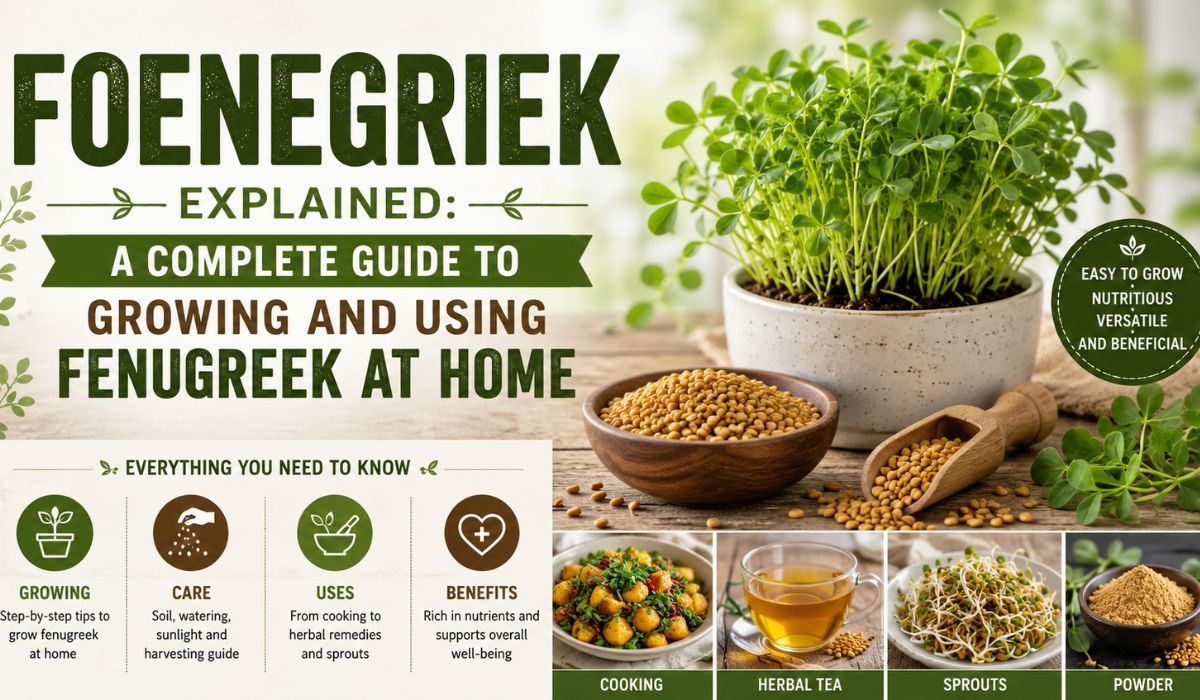
Introduction To Foenegriek And Why It Matters In 2026
Foenegriek, also known as Fenugreek, is one of those rare plants that connects history, nutrition, and everyday home gardening in a very simple way. It is widely grown across Asia, the Mediterranean, and the Middle East, and it continues to gain popularity in home gardens around the world in 2026. People value Foenegriek not only because it is easy to grow, but also because it offers both edible leaves and highly aromatic seeds. Its slightly bitter taste, combined with a warm maple-like scent, makes it unique among herbs. This article will guide you through everything about Foenegriek, from planting to harvesting and using it in daily life.
What Is Foenegriek And Its Botanical Identity
Foenegriek is the common regional name for Fenugreek, scientifically known as Trigonella Foenum-Graecum. It belongs to the Fabaceae family, which also includes beans and lentils. This makes it a nitrogen-fixing plant that naturally improves soil fertility. The plant is small and upright, usually growing as an annual herb that completes its life cycle within a single growing season. Foenegriek is grown for both its tender green leaves, commonly called Methi, and its dried seeds, which are used as a spice in many cuisines. Its versatility is one of the main reasons it has been cultivated for thousands of years.
Historical Roots And Global Importance Of Foenegriek
Foenegriek has a long and respected history that stretches back more than 6,000 years. Ancient civilizations such as the Egyptians used it for food and traditional remedies, and its seeds have even been discovered in ancient tombs. In Greece and Rome, it was used as animal fodder and medicinal herb. In South Asia, it became an essential part of cooking and Ayurvedic practices. Today, Foenegriek is grown globally, with strong cultural importance in India, Pakistan, the Middle East, and North Africa. Its global spread shows how deeply it is connected to human history and traditional lifestyles.
Foenegriek Plant Characteristics And Natural Growth Pattern
The Foenegriek plant is compact and easy to recognize. It typically grows between 30 and 60 centimeters in height. Its leaves are divided into three small oval leaflets, giving it a clover-like appearance. The flowers are small and pale white to yellow, often attracting bees and other pollinators. After flowering, it produces slender seed pods that contain golden-brown seeds. These seeds carry the plant’s signature aroma, which is slightly bitter with a sweet, maple-like undertone. The plant grows quickly, making it suitable for beginners who want fast results in home gardening.
Why Foenegriek Is Worth Growing At Home
Foenegriek is highly recommended for home gardeners because it offers multiple benefits in a single plant. It grows quickly, requires minimal maintenance, and does not demand expensive fertilizers or advanced gardening skills. One of its strongest advantages is that it provides two types of harvests, fresh green leaves for cooking and mature seeds for spices. It also improves soil health naturally, making it a valuable companion plant. For people living in cities or apartments, Foenegriek grows well in pots and small containers, making it highly accessible for modern lifestyles.
Ideal Climate And Growing Conditions For Foenegriek
Foenegriek grows best in cool to moderate climates where temperatures range between 10 degrees Celsius and 25 degrees Celsius. It prefers full sunlight and needs at least six hours of direct sun each day to grow strong and healthy. While it can tolerate mild shade, reduced sunlight affects both leaf production and seed quality. The plant does not perform well in extreme heat, especially above 30 degrees Celsius, where it tends to flower too early. In colder regions, it can still be grown indoors using natural light or grow lamps.
Soil Preparation And Ground Readiness For Healthy Growth
Healthy Foenegriek growth starts with proper soil preparation. The plant prefers loose, well-draining soil that allows water to pass through easily. Heavy clay soil should be improved by adding compost or sand to avoid water retention. The ideal soil pH lies between 6.0 and 7.0, which supports balanced nutrient absorption. Because Foenegriek is a legume, it naturally enriches soil by fixing nitrogen. This means it not only grows well but also improves the soil for future crops, making it a smart choice for sustainable gardening.
How To Plant Foenegriek Step By Step At Home
Planting Foenegriek is simple and does not require complex procedures. Seeds can be sown directly into the soil or container without transplanting, as the plant does not like root disturbance. The seeds should be placed in shallow soil at a depth of about one to two centimeters. After planting, light watering is enough to keep the soil moist until germination begins. Within a few days, small green sprouts appear, showing strong early growth. As the plants grow, spacing them properly ensures better airflow and healthier development.
Watering And Sunlight Needs For Strong Growth
Foenegriek prefers balanced watering rather than excessive moisture. The soil should remain slightly moist but never waterlogged. Overwatering is one of the most common reasons for plant failure, as it can lead to root rot. During early growth stages, consistent moisture helps seeds germinate successfully. Once the plant is established, it becomes more drought tolerant. Sunlight plays an equally important role, and placing the plant in a bright, sunny location ensures stronger leaves and better seed production.
Care Tips Including Fertilizing And Plant Maintenance
Foenegriek does not require heavy fertilization because it naturally improves soil fertility through nitrogen fixation. If the soil is very poor, a mild balanced fertilizer can be used at the beginning of growth. Excess nitrogen should be avoided as it encourages leafy growth but reduces seed production. Light pruning or harvesting of leaves encourages bushier growth and improves yield. Regular observation of plant health ensures that any issues are addressed early. Overall, Foenegriek remains a low maintenance herb suitable for beginners.
Common Pests Diseases And Prevention Methods
Although Foenegriek is a hardy plant, it can still face a few common issues. Aphids are small insects that may appear on tender shoots and can be controlled with gentle water sprays. Powdery mildew can occur in humid conditions when air circulation is poor. Root rot usually results from overwatering and poor drainage. Seedlings may also suffer from damping off disease if soil conditions are too wet. Proper spacing, good sunlight, and controlled watering are the best ways to prevent these problems naturally.
Harvesting Foenegriek Leaves And Seeds Correctly
Foenegriek offers two harvest stages, each with its own purpose. Leaves can be harvested when the plant is young and about 20 centimeters tall. Regular leaf picking encourages new growth and keeps the plant productive. For seeds, the plant should be allowed to mature fully until the pods turn dry and yellowish brown. Once harvested, the pods can be dried further before extracting seeds. These seeds are then stored for cooking or future planting, making the plant highly self-sustaining.
Culinary Uses And Everyday Kitchen Importance
Foenegriek plays a major role in global cooking traditions. Its leaves are widely used in curries, flatbreads, and vegetable dishes, especially in South Asian cuisine. The seeds are commonly used as a spice, adding depth and warmth to dishes such as soups, stews, and pickles. When lightly roasted, the seeds release a rich aroma that enhances flavor blends. Foenegriek also appears in herbal teas and seasoning mixes. Its unique taste profile makes it both a seasoning and a nutritious vegetable.
Health And Nutritional Benefits Of Foenegriek
Foenegriek is known for its rich nutritional profile, which includes fiber, iron, protein, and beneficial plant compounds. Traditionally, it has been used to support digestion, regulate blood sugar levels, and improve overall wellness. Modern studies have explored its potential role in supporting metabolism and heart health. The seeds contain natural compounds that give them both medicinal and nutritional value. While it is widely used in traditional remedies, it is always recommended to use it as part of a balanced diet.
Home Gardening Tips For Better Foenegriek Yield
For better results, Foenegriek should be grown in a sunny location with well-prepared soil and proper spacing. Rotating it with other crops helps maintain soil health. Growing it in containers is equally effective, especially for urban gardeners. Regular harvesting of leaves encourages fresh growth, while allowing some plants to mature ensures seed production. Simple care routines and seasonal planting adjustments can significantly improve yield and plant quality.
Final Thoughts On Growing Foenegriek At Home
Foenegriek is one of the most rewarding herbs for home gardeners because it combines simplicity, usefulness, and history in a single plant. It grows quickly, requires minimal care, and provides both culinary and nutritional value. Whether grown in a garden or on a small balcony, it brings freshness and purpose to everyday cooking. By understanding its needs and growth cycle, anyone can successfully grow Foenegriek and enjoy its benefits throughout the season.
Frequently Asked Questions About Foenegriek
What Is Foenegriek Used For In Daily Life
Foenegriek is used as both a culinary herb and a spice. The leaves are cooked as vegetables while the seeds are used in seasoning blends, teas, and traditional remedies.
How Long Does Foenegriek Take To Grow Completely
Foenegriek germinates within a few days and is ready for leaf harvest in a few weeks. Full seed maturity usually takes between three to five months.
Can Foenegriek Grow Indoors Successfully
Yes Foenegriek can grow indoors if placed near a sunny window or under a grow light. It requires sufficient light and proper drainage to thrive indoors.
Is Foenegriek An Annual Or Perennial Plant
Foenegriek is an annual plant, meaning it completes its life cycle in one growing season and must be replanted each year.
Why Does Foenegriek Smell Like Maple Syrup
The maple like aroma comes from a natural compound called sotolon found in the seeds. This scent becomes stronger when seeds are dried or roasted.
Can Foenegriek Be Eaten Raw Safely
Foenegriek leaves can be eaten raw in small amounts, but seeds are usually cooked or roasted because of their strong bitter taste.
What Is The Best Season To Grow Foenegriek
The best time to grow Foenegriek is during cool seasons such as early spring or autumn when temperatures are moderate and stable.
Recommended For You: What Is Mentaiko? A Complete Guide To Japan’s Famous Spicy Cod Roe